July 24, 2026
Flooring contractors often vouch for the outstanding qualities of hardwood flooring, making it a top choice for homeowners. From its timeless elegance to its impressive durability, hardwood delivers on multiple fronts. As experts in their field, flooring contractors have witnessed the transformative power of hardwood first-hand. This article delves into why these professionals consistently recommend hardwood as the quintessential choice for flooring.
1. What are the Benefits of Hardwood Floors?
A. Durability and Longevity
One of the primary reasons flooring contractors advocate for hardwood is its unparalleled durability. Hardwood floors are renowned for their ability to withstand wear and tear over decades with the proper care. According to the National Wood Flooring Association, hardwood flooring can last up to 100 years when it's maintained properly. This longevity translates into a significant return on investment, making it an attractive option for homeowners.
Hardwood's robust nature is owed to its dense structure, which resists scratching and dents more effectively than many other materials. In high-traffic areas, such as living rooms and hallways, hardwood maintains its shape and elegance with minimal maintenance. The ability to sand and refinish also extends hardwood's life, allowing it to be refreshed multiple times. This resilience is why many restoration projects uncover century-old floors that can be restored to their original beauty.
Environmental factors such as humidity can influence durability, a consideration flooring contractors take seriously when recommending hardwood. Different species of wood, from oak to cherry to maple, offer varying degrees of hardness and stability that fit different climates and uses. Contractors assess these aspects to ensure that homeowners invest in flooring that truly meets their longevity expectations. All these factors combined showcase why hardwood is a go-to recommendation for long-lasting elegance.
B. Aesthetic Appeal
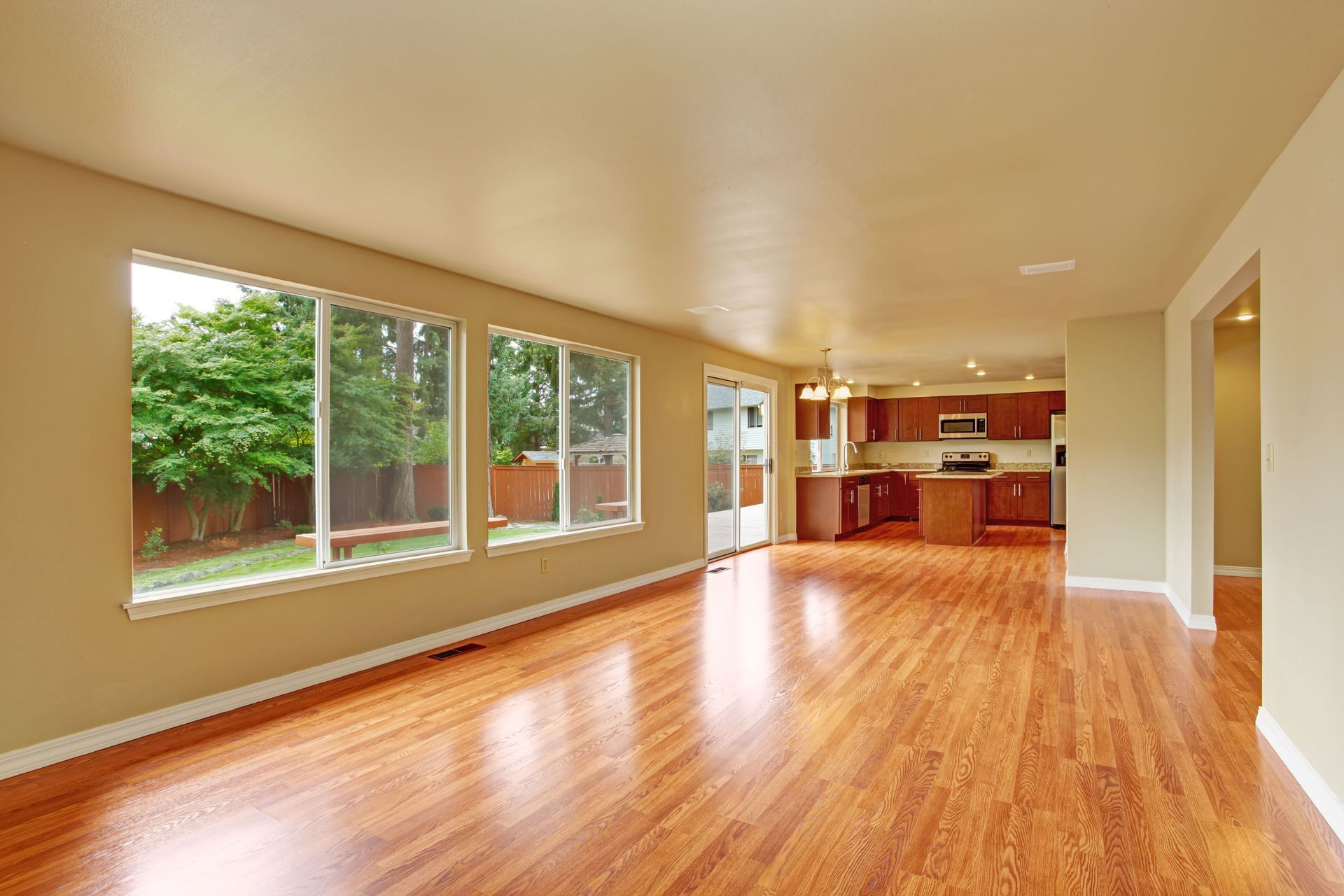
The aesthetic advantage of hardwood flooring cannot be overstated. Its natural beauty offers a rich, inviting look that complements any style, from traditional to contemporary. Unlike other flooring options that mimic wood, true hardwood exudes an authenticity that many homeowners desire. This distinct appeal is one of the top reasons flooring contractors recommend hardwood.
Each plank of hardwood is unique, with variations in grain, color, and texture that give each floor its own character. The ability to finish hardwood in a variety of stains and finishes means it can match a wide spectrum of interior designs and color schemes. Whether opting for a sleek, modern finish or a rustic, hand-scraped look, hardwood adapts beautifully. This versatility enables homeowners to tailor their spaces to reflect personal tastes and design goals.
Additionally, over time, hardwood can be refashioned to keep up with changing design trends. Homeowners can choose to stain their floors in darker or lighter hues to reflect current styles, without the need to replace them entirely. This adaptability sustains hardwood’s relevance in interior design, a significant selling point for flooring contractors. Ultimately, hardwood's timeless charm and adaptability make it a standout choice for many.
2. How Does Hardwood Compare to Other Flooring Options?
A. Hardwood vs. Carpet
When comparing hardwood to carpet, one immediately notes the dramatic difference in durability. Carpets are susceptible to stains, wear, and damage from heavy foot traffic, typically requiring replacement every 5 to 10 years. Conversely, hardwood provides a lasting foundation that can endure for decades, substantiating its higher initial cost. Flooring contractors often emphasize hardwood's longevity as a key selling point over carpet.
Additionally, hardwood elicits a more sophisticated ambiance compared to carpet, which can appear dated over time. While carpet offers a level of cushioned comfort and warmth, especially in cooler climates, it scarcely matches the rich elegance that hardwood extends to any room. The adaptability of hardwood styling also offers more flexibility in terms of decor changes, whereas carpet may restrict design palettes. These stylistic advantages reinforce contractor recommendations for hardwood in diverse living spaces.
From a maintenance perspective, hardwood’s ease of cleaning is a stark contrast to the challenges faced with carpet care. Stains and dirt on carpets often require professional cleaning services, an added expense for homeowners. In contrast, the straightforward upkeep of hardwood is appealing for those seeking a fuss-free solution. This reduced upkeep, combined with its aesthetic and durable appeal, gives hardwood a substantial edge over carpeting.
B. Hardwood vs. Vinyl
Vinyl flooring is often presented as an economical alternative to hardwood, offering the aesthetic semblance of wood at a fraction of the cost. However, flooring contractors frequently argue the superiority of true hardwood, especially in terms of elegance and longevity. Despite advancements in vinyl technology, it often falls short in matching the authenticity and natural beauty that hardwood exudes. Vinyl lacks the unique character that authentic wood grains provide, making hardwood a preferred choice for those inspired by natural aesthetics.
In terms of durability, while vinyl is water-resistant and resilient to scratches, it doesn’t possess the same repairability as hardwood. High-quality vinyl can last several years, but once worn or damaged, it usually requires full replacement. Conversely, hardwood can be refinished to address damage or update its look, a point flooring contractors highlight when discussing long-term value. Hardwood has the advantage of retaining its integrity and charm considerably longer than typical vinyl installations.
Hardwood also contributes more significantly to increasing a home's property value, maintaining its status as a luxurious and desirable feature. Vinyl has yet to gain the same esteem in real estate markets, often viewed as a temporary or budget-friendly option. Consequently, flooring contractors advise those looking for long-term investments to seriously consider hardwood. The potential for refinishing and enduring appeal makes hardwood an attractive option despite vinyl’s cost advantages.
3. What Should You Consider When Choosing Hardwood Flooring?
A. Type of Wood
Selecting the right type of wood is a crucial decision, as it influences both aesthetics and functionality. Flooring contractors often guide consumers through options such as oak, maple, cherry, and walnut, each offering unique properties and looks. Oak is frequently chosen for its durability and classic appearance, while cherry’s rich color is favored for elegant settings. Ultimately, the type of wood should complement the home’s style and withstand daily activities.
Different wood types have varied hardness levels, impacting how they resist dents and scratches. For instance, Brazilian cherry is incredibly hard and dense, making it suitable for high-traffic areas. Conversely, woods like pine are softer and may suit areas with less footfall or homes that embrace a rustic design. Contractors work with homeowners to evaluate both the visual and practical aspects of each wood type, ensuring a choice that aligns with lifestyle and personal taste.
Beyond hardness and color, flooring contractors stress the importance of sourcing well-certified wood, minimizing environmental impact. Many prefer sustainable options, such as bamboo, that combine eco-friendliness with the same prestige as traditional hardwoods. Incorporating these environmental considerations ensures that homeowners not only enjoy beautiful floors but also contribute positively to ecological efforts. This holistic approach in choosing wood further solidifies hardwood’s allure.
B. Cost Factors
The cost of hardwood includes several variables, such as material, installation, and maintenance expenses. Potential buyers need to understand this multi-layered cost structure to make informed decisions. Although the initial outlay for hardwood might be higher compared to alternative materials like laminate or vinyl, its durability offsets these upfront costs over time. Flooring contractors often provide cost analyses to help homeowners weigh the long-term savings hardwood can provide.
Hardwood generally retains its value and, as previously mentioned, contributes to higher property resale values. However, the species of wood chosen significantly impacts the overall cost, with exotic woods like mahogany being more expensive than domestic varieties. Installation methods can also add variability to the cost; for example, intricate patterns like herringbone might require more labor. Flooring contractors bring their expertise to the table, helping clients achieve aesthetically pleasing results within budgetary constraints.
Hardwood flooring stands out among other options due to its durability, aesthetic appeal, and potential to enhance property value. Flooring contractors consistently recommend hardwood because of its capability to deliver long-term satisfaction. Proper selection, installation, and maintenance can extend the life of hardwood flooring to a century, truly underscoring its value. By understanding these considerations and consulting with skilled contractors, homeowners can ensure that their choice of hardwood flooring not only meets their needs but also enhances their living spaces to their full potential. Reach out to G Mitchell Construction LLC today to see how we can help you!